
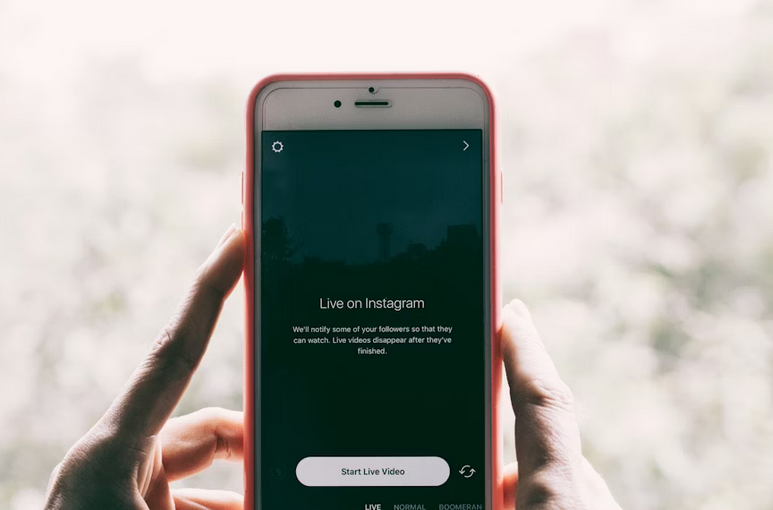
Stream farming has emerged as a controversial method for boosting follower and view counts across social media platforms, especially TikTok. It involves using coordinated networks—sometimes bots, sometimes real users—to artificially inflate engagement metrics in a short period. While this tactic can create the illusion of rapid growth, it often lacks genuine interaction and long-term value. Top sites to buy TikTok views are also an option for users seeking faster alternatives that offer real or high-retention views that align better with platform algorithms. Understanding these tactics helps creators weigh the risks and rewards of different growth strategies.
What Stream Farming Means
Stream farming refers to the deliberate use of artificial methods to boost the perceived popularity of a livestream. This can include bots that view, like, or comment on streams, or paid services that use fake accounts to simulate real engagement. The goal is to make a stream appear more active and successful, which can trick algorithms into promoting the content further. This, in turn, attracts real viewers, boosts social proof, and helps streamers climb rankings or meet platform monetization requirements faster.
Tactics Used to Inflate Engagement

There are several techniques used in stream farming, with automation being the most common. Bot programs are designed to mimic real viewers by logging into livestreams, sending fake messages, or even subscribing. Some services go a step further by using proxy networks and stolen account credentials to avoid detection. Other methods include “view loops,” where creators embed their stream on multiple web pages to artificially boost viewer counts through autoplay functions. Some content farms also employ teams of real people paid to watch and engage with content just long enough to trigger platform algorithms.
Why Creators Use Stream Farming
For many aspiring streamers, breaking into platforms like Twitch, YouTube Live, or TikTok Live can feel impossible without an initial surge in visibility. Stream farming offers what seems like a shortcut to credibility. It can help creators reach affiliate or partner status quicker, attract brand sponsorships, or appear more influential than they are. In some cases, creators use stream farming temporarily to jumpstart growth, hoping that real followers will follow once they “look” successful.
Risks and Platform Crackdowns

While stream farming may bring short-term results, it carries serious risks. Platforms like Twitch and YouTube have strict policies against fake engagement, and violating these rules can lead to account bans, content takedowns, or monetization loss. Algorithms are becoming more sophisticated, and services that promise “undetectable” growth can still be flagged. Beyond platform penalties, creators also risk damaging their reputation. Viewers can often sense inauthentic engagement, and sponsors may pull back if they detect inflated metrics.
Ethical Alternatives for Real Growth
Instead of relying on stream farming, creators can grow their audiences by investing in high-quality content, consistent schedules, and community engagement. Using tools like OBS Studio, overlays, and chatbot interaction can make streams more professional and interactive. Sharing content across multiple platforms, collaborating with other creators, and analyzing viewer behavior through real-time analytics also lead to organic growth. These strategies may take longer, but they build a loyal, genuine audience that delivers long-term value.
Stream farming might seem like an easy solution for gaining fast followers, but it’s a risky and unsustainable tactic that can backfire both technically and ethically. While it may offer temporary visibility, the long-term consequences often outweigh the benefits. For creators serious about success, building a real, engaged community through quality content and smart marketing is not only more authentic—it’s far more rewarding in the long run.